

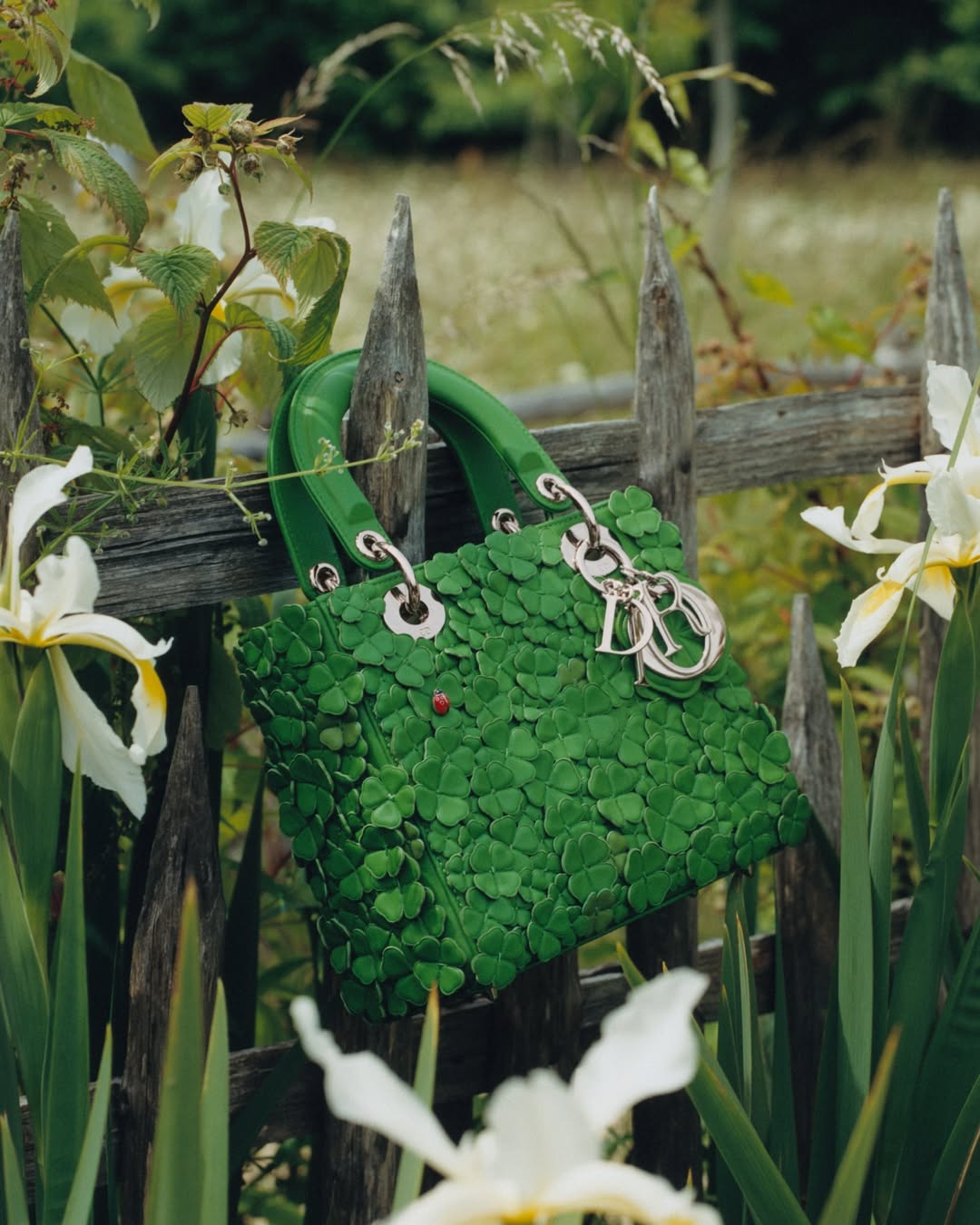

Luxury handbags are more than accessories — they’re reflections of taste, craftsmanship, and confidence. Whether you’re curating your first collection or refining an established one, every purchase tells a story. Here’s what seasoned collectors look for before they invest.
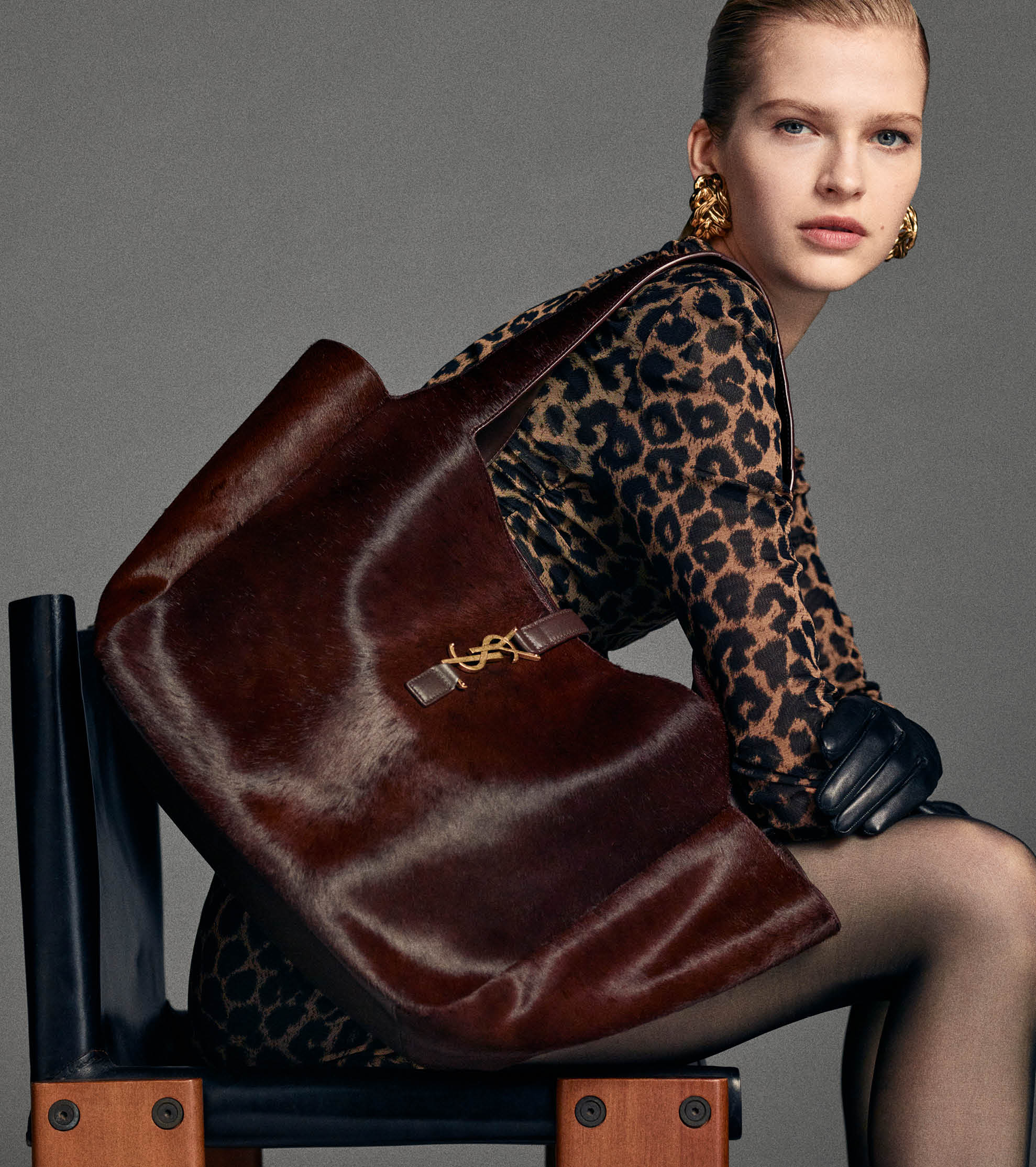
Table of Contents
Before You Buy: Essential Preparation
Don’t make the mistake I almost made—walking into a boutique unprepared with money burning a hole in your pocket. Do this preparation work first, and you’ll make much better decisions.
Step 1: Define Your Lifestyle Needs
Your handbag collection should reflect YOUR life, not Instagram’s highlight reel.
Ask yourself these questions:
Work Environment:
- Do you commute to an office? (Need: structured tote for laptop)
- Work from home? (Need: smaller bags for errands, meetings)
- Client-facing role? (Need: polished, professional styles)
- Creative industry? (More flexibility for fun styles)
Social Calendar:
- Frequent formal events? (Need: evening clutches)
- Mostly casual? (Need: crossbody, backpacks)
- Active lifestyle? (Need: durable, hands-free options)
Travel Frequency:
- Regular traveler? (Need: versatile bags, durable materials)
- Mostly local? (Can prioritize style over durability)
Climate:
- Rainy city? (Avoid suede, choose coated canvas)
- Sunny/dry? (More material options available)
Real Example: My Lifestyle Audit
When I did this exercise, I realized:
- I work from home (no laptop tote needed)
- I attend 2-3 formal events yearly (one nice clutch sufficient)
- I’m in NYC (lots of walking, need comfortable crossbody)
- My style is minimalist (neutral colors, clean lines)
This saved me from buying a gorgeous Dior Book Tote that would have sat unused because I don’t carry laptops or work materials.
Step 2: Establish Your Realistic Budget
Here’s an uncomfortable truth: If buying a luxury handbag will stress your finances, you’re not ready yet.
The 1% Rule: Don’t spend more than 1% of your annual income on luxury handbags per year.
Income-Based Guidelines:
| Annual Income | Annual Handbag Budget | What This Buys |
|---|---|---|
| $50,000 | $500/year | 1 accessible luxury bag |
| $75,000 | $750/year | 1 contemporary luxury bag (saving 2 years) |
| $100,000 | $1,000/year | 1 contemporary luxury bag annually |
| $150,000 | $1,500/year | 1 established luxury bag (saving 2 years) |
| $200,000+ | $2,000+/year | 1 established luxury bag annually |
This is a guideline, not a rule. If you want to save more aggressively, that’s fine—just don’t sacrifice financial security.
Payment Options: Pros and Cons
Save and Buy Outright ✅ RECOMMENDED
- Pros: No interest, no debt, total financial control
- Cons: Requires patience and discipline
- Best for: Everyone, especially first purchases
Layaway/Payment Plans (offered by some boutiques)
- Pros: Holds bag while you pay, no interest
- Cons: Ties up money, may lose deposit if you change mind
- Best for: Specific bags you’re certain about
Buy Now, Pay Later (Affirm, Klarna, etc.)
- Pros: Get bag immediately, spread payments
- Cons: Easy to overspend, interest if you miss payments
- Best for: Use cautiously if at all
- ⚠️ Warning: This is how people end up with $20,000 in handbag debt
Credit Cards
- Pros: Buyer protection, points/rewards
- Cons: Interest charges if not paid immediately
- Best for: Only if you pay balance immediately
Building Your Signature Bag Style
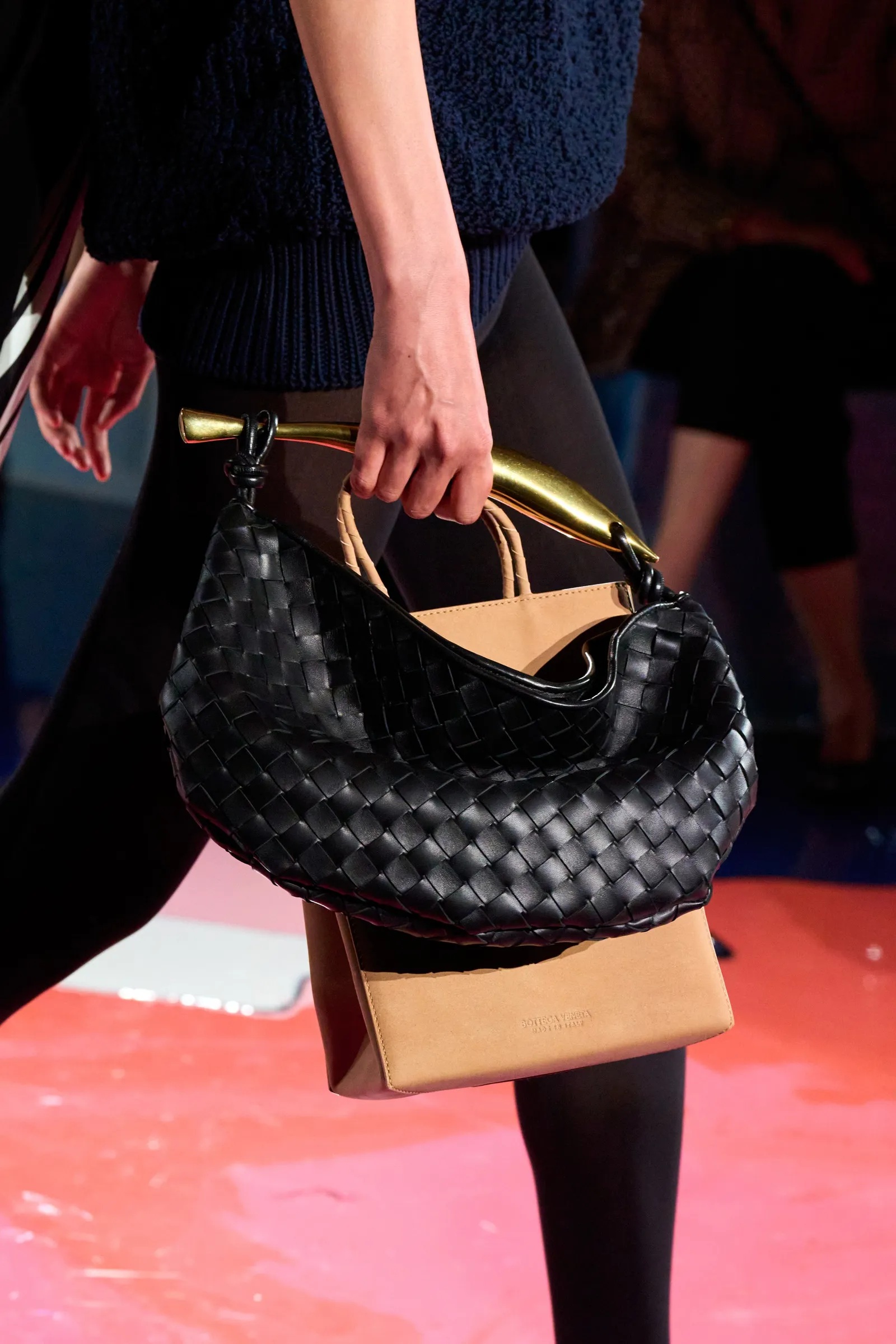
Your handbag collection should reflect your identity, not trends. A signature style emerges when you understand what makes you feel most authentically yourself—and then commit to it intentionally.
The Three-Bag Foundation:
Most sophisticated collectors build around three core bags that work together:
The Everyday Essential Bags: Your daily workhorse. This bag should be durable, functional, and effortlessly elegant. Think structured tote or refined crossbody—something you reach for without thinking.
The Elegant Evening Bags: A polished clutch or small structured bag for dinners, events, and occasions that demand refinement. This piece signals intentionality and sophistication.
The Signature Statement Bags: This is the bag people recognize as yours—the piece that becomes part of your identity. It might be a specific color, silhouette, or brand that feels distinctly personal.
Finding Your Signature Handbag Style:
Ask yourself:
- What bag do I genuinely reach for most often?
- Which style makes me feel most confident?
- What color appears repeatedly in my wardrobe?
- Do I prefer structured or soft silhouettes?
- Am I drawn to minimalist or decorative details?
Your signature bag shouldn’t be based on what’s trending or what others own. It’s the bag that, when you carry it, feels like an extension of who you are. That authenticity—in both the bag’s craftsmanship and your connection to it—is what creates true style
Step 3: Determine Your Style Profile
Luxury brands cater to different aesthetic sensibilities. Understanding yours prevents expensive mistakes.
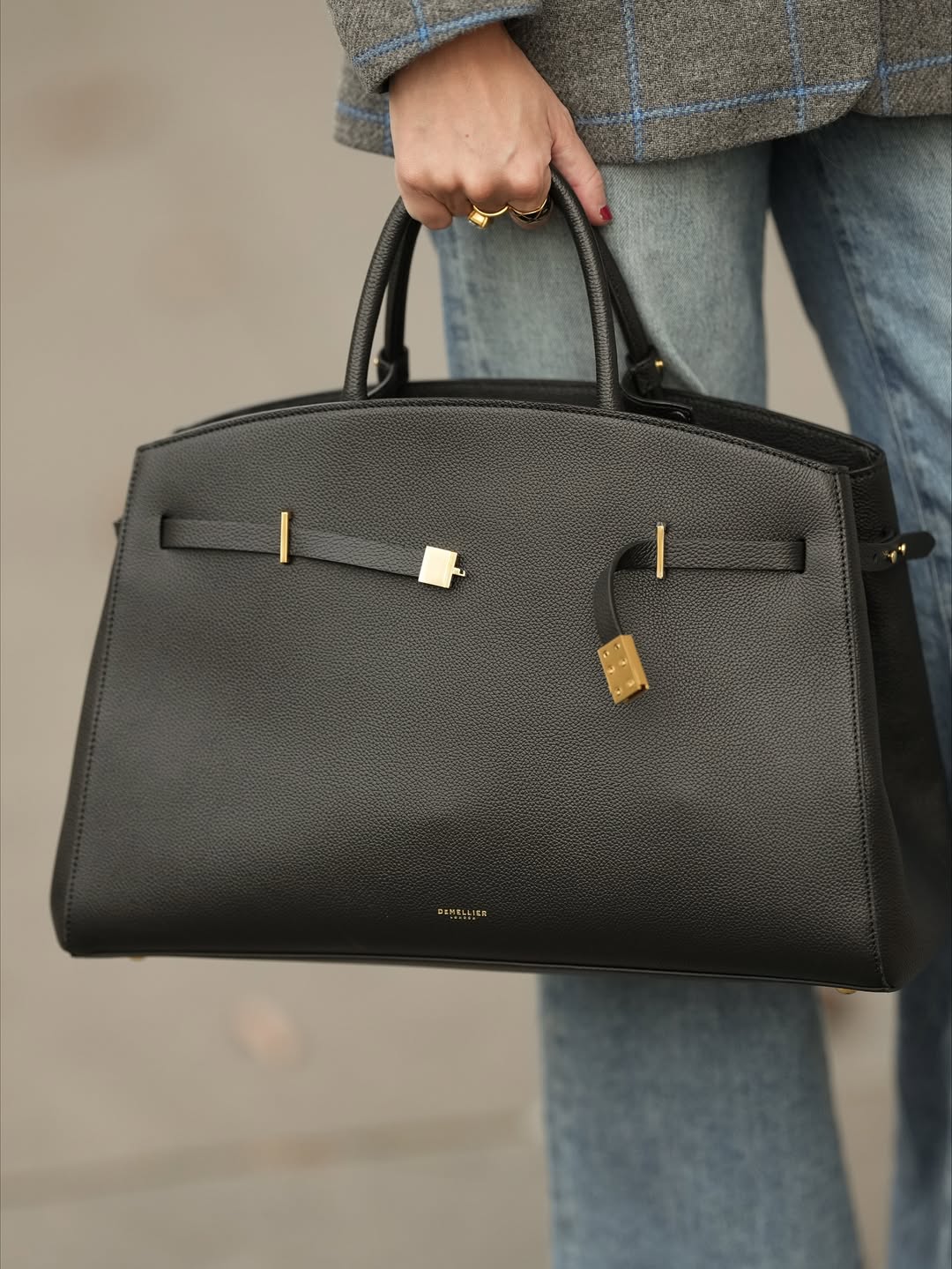
Classic Minimalist
Your Style: Clean lines, no logos, neutral colors, timeless silhouettes
Brands for You:
- Celine (The Row of affordable luxury)
- Bottega Veneta (weaving signature)
- The Row (ultimate minimalism, highest price)
- Valextra (Italian discretion)
Bag Recommendations:
- Celine Classic Box
- Bottega Veneta Jodie
- The Row Margaux
Timeless Traditional
Your Style: Heritage luxury, iconic designs, appreciate craftsmanship, refined elegance
Brands for You:
- Chanel (quilted perfection)
- Hermès (ultimate craftsmanship)
- Dior (lady-like sophistication)
- Cartier (jewelry-inspired)
Bag Recommendations:
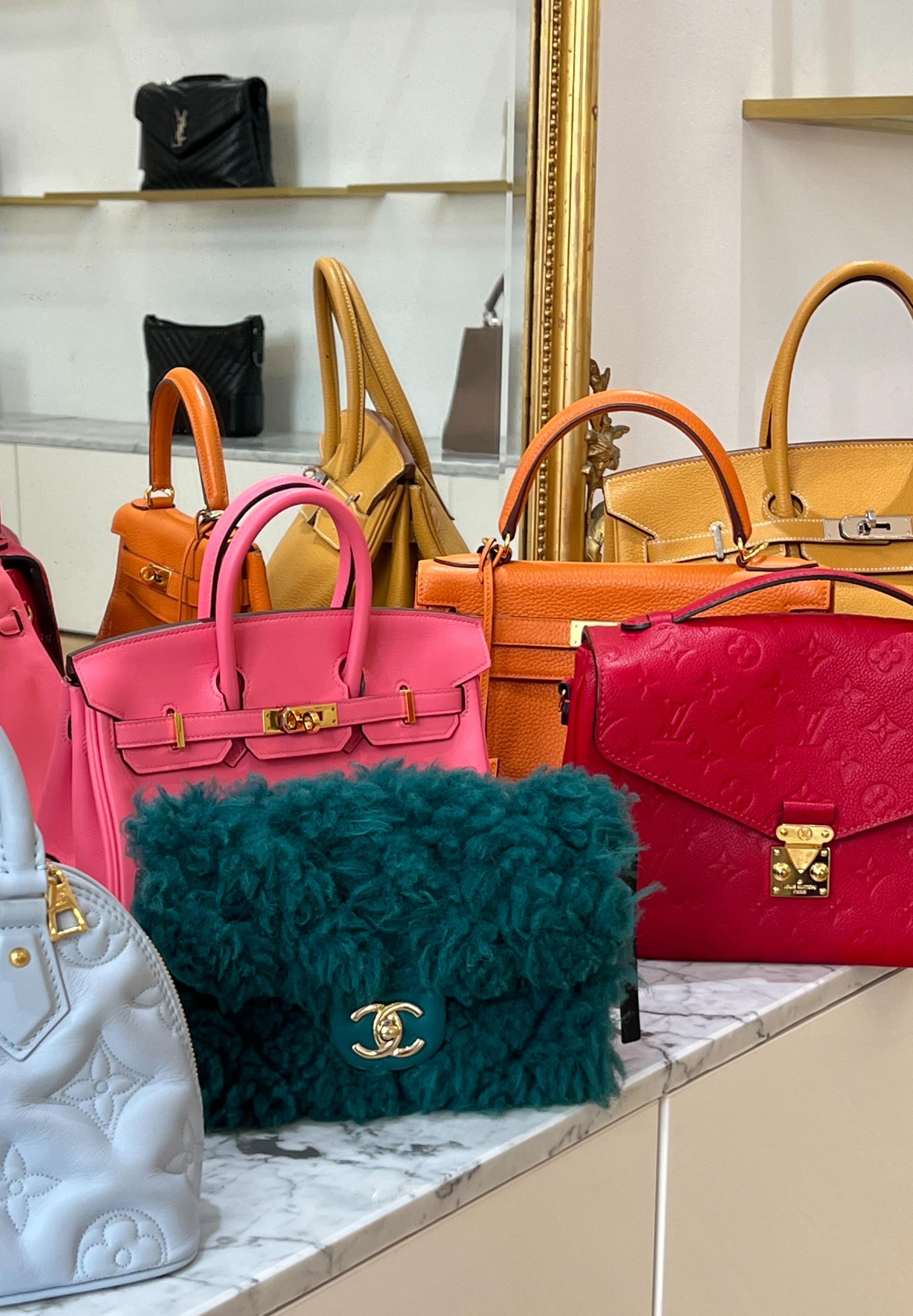

- Chanel Classic Flap
- Hermès Kelly
- Dior Lady Dior
Modern Edge
Your Style: Architectural shapes, modern materials, avant-garde details, fashion-forward
Brands for You:
- Balenciaga (deconstructed cool)
- Saint Laurent (rock and roll elegance)
- Givenchy (edgy sophistication)
- Proenza Schouler (downtown NYC)
Bag Recommendations:
- Balenciaga City
- Saint Laurent Sac de Jour
- Givenchy Antigona
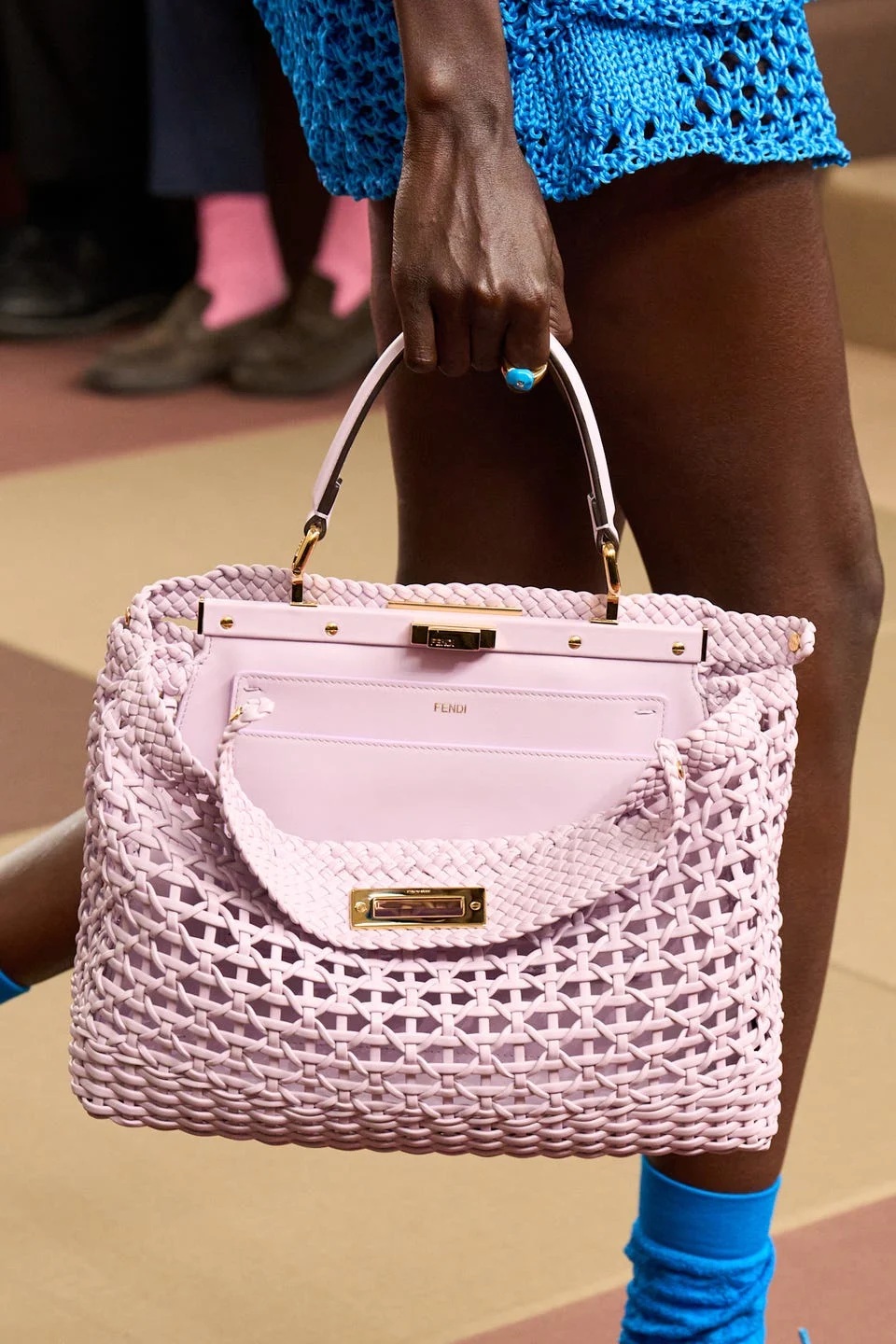
Playful Maximalist
Your Style: Bold colors, logo love, whimsical details, expressive personality
Brands for You:
- Gucci (maximalist heaven)
- Fendi (fun and functional)
- Valentino (feminine romance)
- Moschino (tongue-in-cheek luxury)
Bag Recommendations:
- Gucci
- Fendi
- Valentino
📝 Style Quiz: Take 2 minutes to identify your style profile:
- When getting dressed, I prioritize:
- A) Timelessness and versatility
- B) Making a statement
- C) Comfort and practicality
- D) Following current trends
- My dream vacation wardrobe is:
- A) Neutral basics that mix and match
- B) Bold pieces that photograph well
- C) Whatever’s comfortable
- D) Whatever’s trending on Instagram
- My favorite fashion era is:
- A) 1960s elegance (Audrey Hepburn)
- B) 1980s power dressing
- C) I don’t think about fashion eras
- D) Whatever’s current
Mostly A’s: Classic Minimalist
Mostly B’s: Playful Maximalist
Mostly C’s: Timeless Traditional
Mostly D’s: Modern Edge
Knowing this prevents buying a logo-covered Gucci when your closet is full of minimalist Jil Sander.
FAQ:
-
What handbag brands hold their value best?
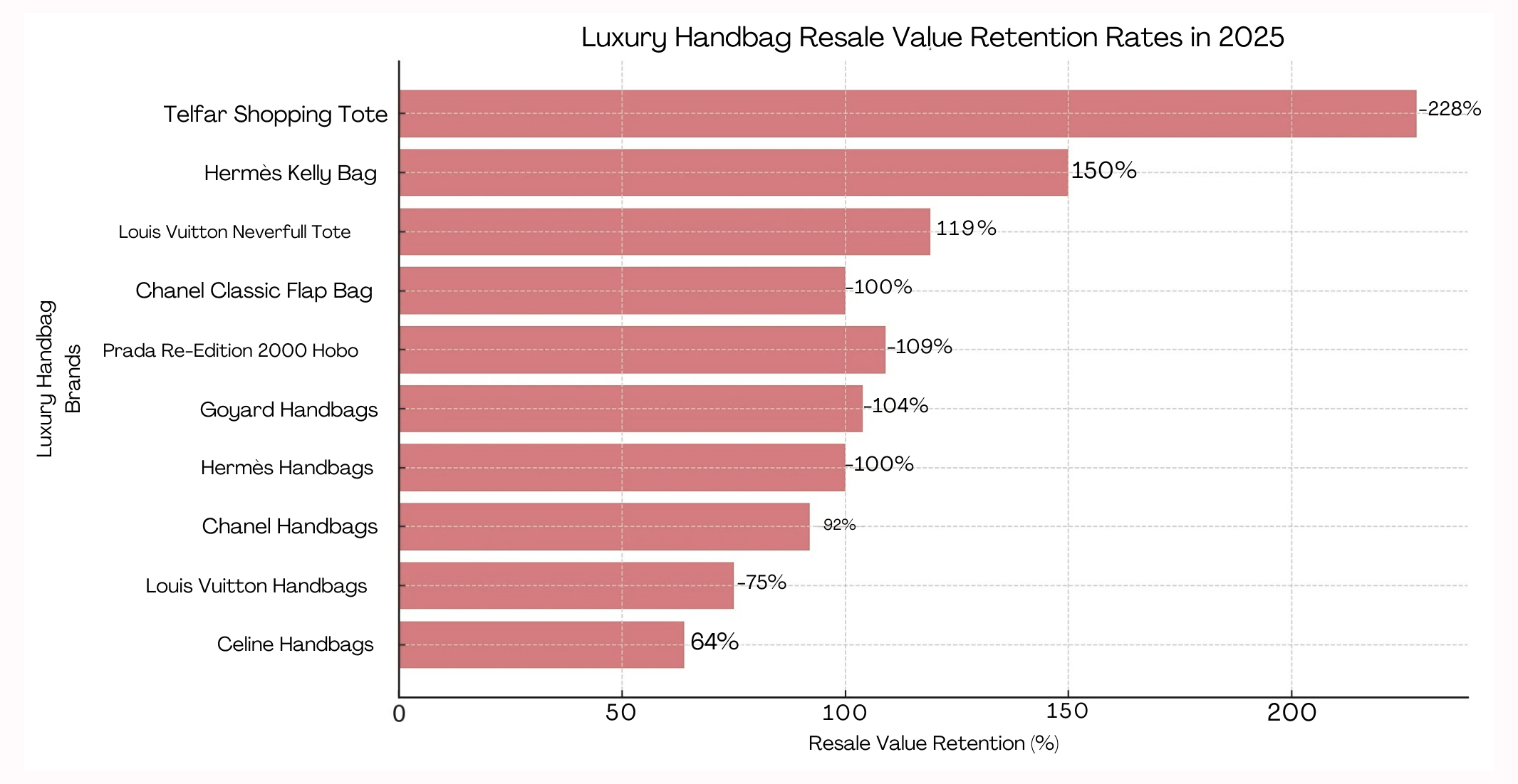
Investment-grade brands: Chanel (Classic Flap retains 70%+ value), Hermès (Birkin/Kelly appreciate 5-10% yearly), Louis Vuitton (Neverfull holds 60-70%), Dior (Lady Dior stable at 60%), Bottega Veneta (Jodie holds 50-65%). Contemporary brands (Coach, Michael Kors) depreciate 60-80%. Color matters: neutral tones (black, camel, tan) hold value better than seasonal colors. Limited editions and discontinued styles appreciate.
-
How can I tell if a luxury handbag is authentic?
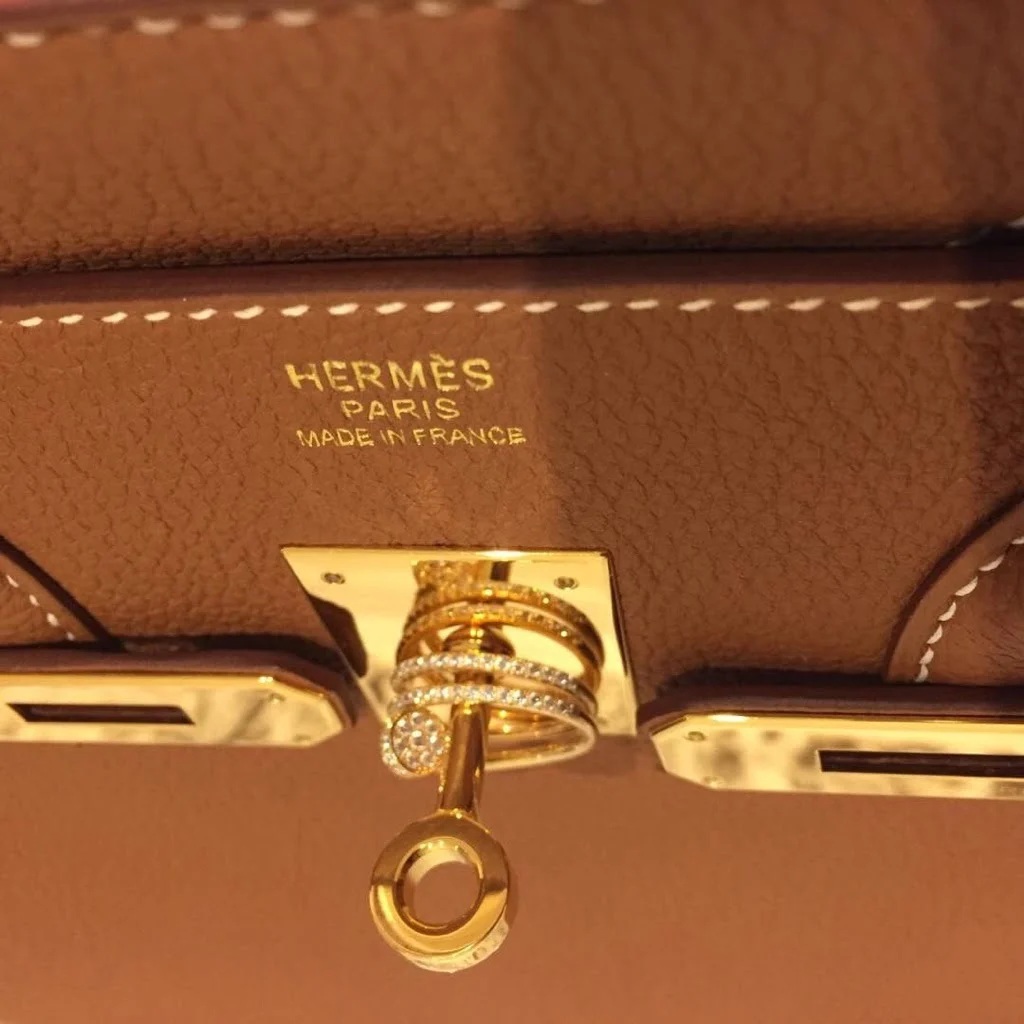
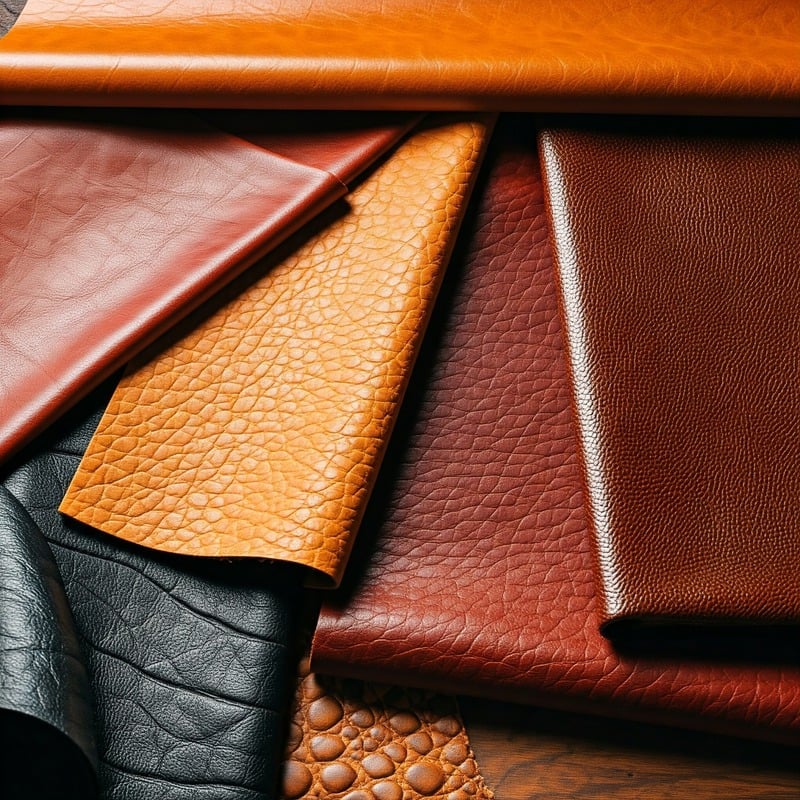
Authentic luxury bags show consistent stitching (8-10 stitches per inch), quality leather with natural smell, weighty hardware with brand engravings, and crisp serial numbers. Counterfeits have loose stitching, plasticky coating, lightweight hardware, and pixelated fonts. Check interior lining quality, dust bag authenticity, and verify serial numbers on brand databases.
-
Where can I buy authenticated luxury handbags safely?
Purchase from official brand boutiques, authorized department stores (Saks Fifth Avenue, SSENSE, Net-a-Porter), or authentication-verified resale platforms (Vestiaire Collective, Rebag, Fashionphile).
-
Is it worth buying expensive luxury handbags?
Yes, if you align purchase with lifestyle needs and financial health. Authentic luxury bags retain 50-70% resale value, last 10-20+ years, and develop beautiful patina. Investment pieces like Chanel Classic Flap and Hermès Kelly appreciate or hold value.
-
What’s the difference between authentic and counterfeit handbags?
Authentic bags use premium leather, hand-stitched precision, precious metal hardware, and branded lining. Counterfeits use synthetic materials, machine-cut uneven stitching, cheap plating that tarnishes, and generic polyester lining. Real leather develops patina and ages gracefully; fakes peel and crack within months. Authentics have crisp serial numbers; fakes use pixelated or poorly spaced fonts.
-
How do I know my handbag style profile?
Identify your aesthetic: Classic Minimalist (Celine, Bottega Veneta—clean lines, no logos); Timeless Traditional (Chanel, Hermès—heritage luxury); Modern Edge (Balenciaga, Saint Laurent—architectural shapes); Playful Maximalist (Gucci, Fendi—bold colors, logos). Consider your wardrobe, lifestyle, and what makes you feel confident. Your signature bag should feel like an extension of your identity.
Final Thought
A luxury handbag should make your heart race, not your finances. Buy less, but buy with intention. Every mark, every patina, every polished clasp becomes part of your story — proof that luxury, when chosen well, lasts far beyond the season.